
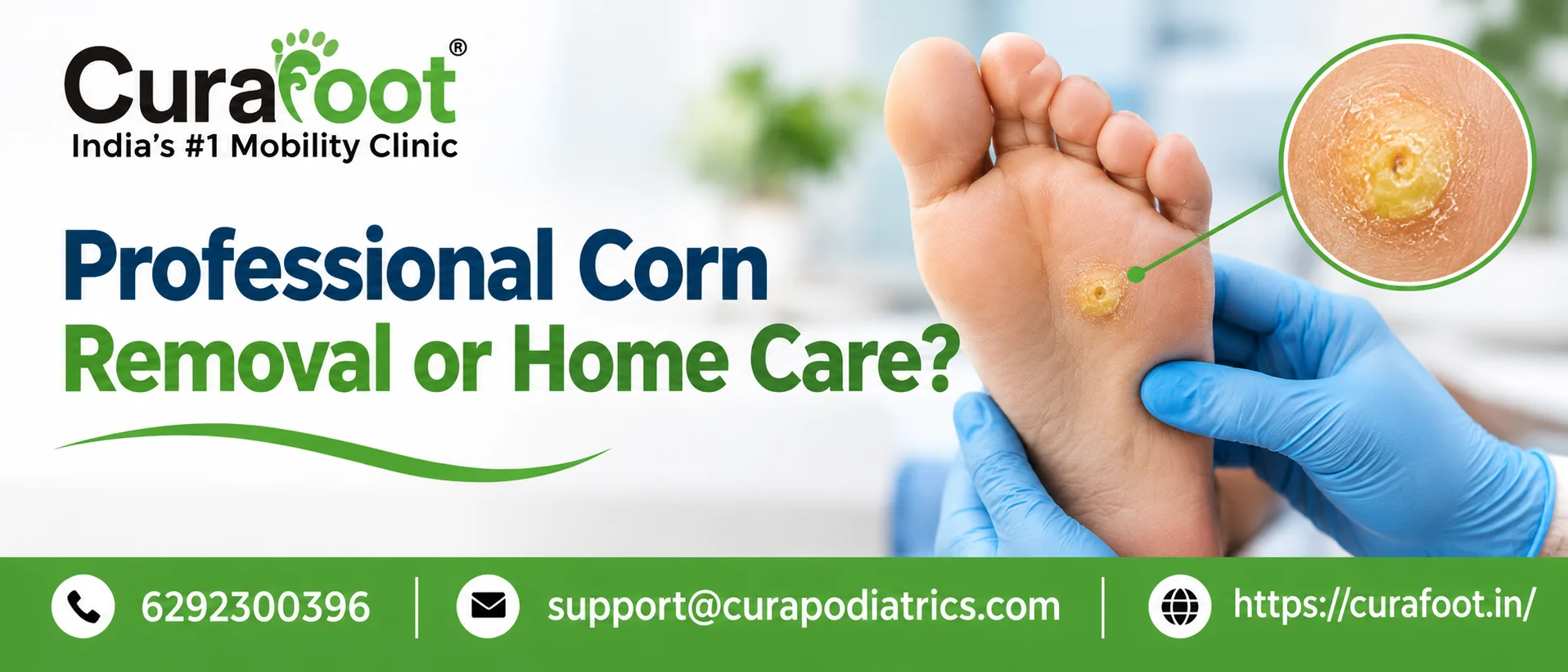
A small, hard patch of skin on your foot might not seem like a big deal until every step starts to hurt. Whether you are walking through a busy Kolkata market, commuting to work, or standing for hours, a corn can turn ordinary activities into uncomfortable experiences. So, is professional treatment worth it, or can home remedies do the job?
The answer depends on the corn's severity, its underlying cause, and your overall foot health. While mild corns may improve with simple changes at home, corn removal treatment in Kolkata can offer safer, more targeted relief when pain persists or walking becomes difficult.
Why Do Corns Develop on the Feet?
Corns form when repeated pressure or friction causes the skin to thicken. Unlike a broad callus, a corn often has a concentrated, hardened centre that presses into the underlying tissue. This can make it particularly painful when wearing shoes or putting weight on the affected area.
In Kolkata, everyday habits can contribute to the problem. Tight formal shoes, poorly fitted sandals, long commutes, and prolonged standing may repeatedly irritate the same spot. Foot shape and toe deformities can also create pressure points that encourage corns to develop.
Common signs include:
- A small, firm patch of thickened skin on the toes or soles.
- Tenderness or pain when direct pressure is applied.
- Discomfort while walking or wearing particular footwear.
- Rough, dry skin that gradually becomes thicker.
One important distinction: corns are not the same as plantar warts. A healthcare professional can help identify the problem correctly, especially when the affected area looks unusual or remains painful.
Can Home Treatment Remove Corns?
Home care can be helpful when a corn is mild and there are no complicating health conditions. However, the aim should be to reduce pressure and soften the thickened skin, rather than aggressively remove it yourself.
What you can safely try?
- Choose better-fitting footwear: Wear shoes with enough room for your toes. A wider toe box can reduce friction and pressure on sensitive areas.
- Use protective padding: Non-medicated corn pads or soft cushioning may help distribute pressure. Avoid placing padding so that it squeezes neighbouring toes together.
- Moisturise regularly: A suitable foot moisturiser can soften dry, thickened skin and support the skin barrier.
- Soak cautiously: A brief soak in lukewarm water may soften the skin. If you have diabetes, reduced sensation, or circulation problems, seek professional advice before attempting foot-soaking or skin-removal routines.
Never cut a corn with a blade, scissors, or nail clippers. Medicated corn-removal products containing acids can also damage healthy skin, particularly when used incorrectly. People with diabetes, poor circulation, or reduced foot sensation should avoid self-treating corns and seek professional guidance.
When Is Professional Corn Removal the Better Choice?
If a corn keeps returning despite changing footwear, or the pain interferes with everyday movement, professional assessment is a sensible next step. A foot specialist can examine the affected area, identify contributing pressure points, and recommend treatment based on your needs.
What happens during professional treatment?
Depending on the diagnosis, treatment may involve careful reduction of the thickened skin using appropriate instruments, protective padding, footwear advice, or customised insoles. If a toe deformity or another structural issue is causing repeated friction, addressing that factor may be just as important as removing the existing corn.
For example, someone who walks extensively between public transport stops and the workplace may experience temporary relief after removing hardened skin, only to develop another corn because the same shoe continues to rub the same spot. Professional care considers that bigger picture.
Seeking heel corn treatment is particularly worthwhile when a hardened area near the heel makes standing or walking uncomfortable. A specialist can determine whether the problem is a corn, a callus, or another condition and suggest appropriate care.
Arrange a medical assessment promptly if the corn becomes red, swollen, warm, increasingly painful, or starts discharging fluid or pus. People with diabetes, poor circulation, or nerve damage should seek professional assessment rather than experimenting with home remedies.
Home Care vs Professional Treatment: What Should You Choose?
- For a mild corn: Better footwear, pressure reduction, and gentle moisturising may be sufficient.
- For persistent pain: Professional evaluation can identify the cause and provide targeted treatment.
- For recurring corns: A specialist can investigate footwear problems, toe alignment, and repeated pressure.
- For high-risk feet: Diabetes, reduced sensation, or circulation problems make professional guidance especially important.
The right choice is not always about removing the corn as quickly as possible. It is about relieving discomfort without damaging healthy skin and reducing the likelihood of recurrence. Professional care may involve an initial expense, but repeated unsuccessful home treatments can also cost time, money, and comfort.
Frequently Asked Questions
1. Can a corn disappear without professional treatment?
Yes, some mild corns improve when the pressure or friction causing them is removed. However, persistent pressure can cause them to return, and painful or recurring corns may need professional assessment.
2. Is professional corn removal painful?
Careful removal of superficial hardened skin is generally well tolerated. Your experience depends on the corn's depth, sensitivity, and underlying condition. Tell your practitioner if the area is particularly tender.
3. How can I prevent corns from coming back?
Wear properly fitted shoes, reduce repeated friction, use suitable cushioning when recommended, and keep your feet moisturised. If corns repeatedly develop in the same place, have the underlying pressure point assessed.
4. When should I avoid home corn-removal products?
Avoid self-treatment with cutting tools or medicated corn removers if you have diabetes, poor circulation, or reduced foot sensation. Seek professional advice if you are unsure whether the skin lesion is a corn or another condition.
Final Thoughts
Home care can help manage a mild corn, but it is not the best solution for every foot. Persistent pain, recurring hard skin, and underlying foot problems deserve proper attention. For people in Kolkata, the sensible approach is to reduce pressure early and seek professional guidance when symptoms do not improve. Comfortable walking begins with treating the cause, not simply the visible patch of skin.
Full Audio: Listen Here



Comments (0)
Leave a Comment