
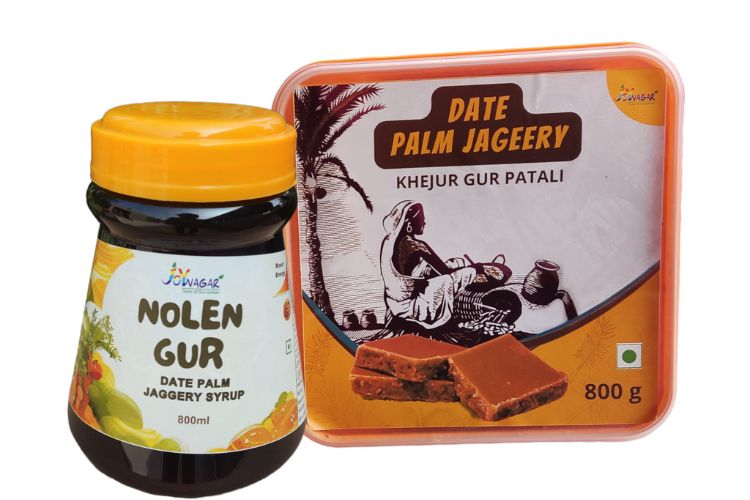
Every winter, Bengalis eagerly await the arrival of joynagar nolen gur, a delicacy that is as seasonal as it is soulful. But alongside its rich aroma and caramel-like sweetness comes a burning question: why does its price vary so much from one year—or even one week—to the next? The answer lies in a mix of tradition, nature, and economics.
The Charm of Nolen Gur
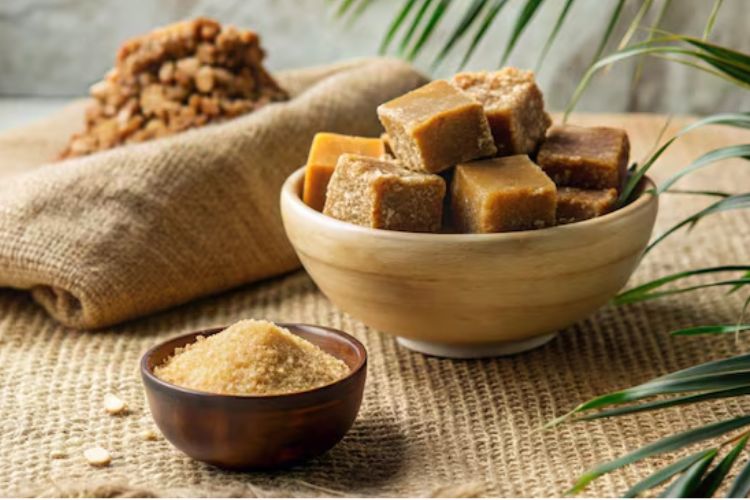
Unlike regular jaggery, Nolen Gur (or date palm jaggery) is harvested only during the cold months, when the sap from date palm trees flows smoothly and ferments less. This limited availability makes it a short-lived winter treasure, cherished not just in Bengal but across India and even overseas. Its price, therefore, is never static—it dances with the season.
Seasonal Factors That Drive Price
The production of Joynagar Nolen Gur is tied directly to climate and harvest conditions. Warmer winters, reduced sap flow, or untimely rains often lead to scarcity. And scarcity, as economics would have it, pushes the price up.
Key Seasonal Influences
- Temperature: Ideal cold weather ensures higher yield of sap, lowering prices through better supply.
- Rainfall: Heavy rain affects sap quality and limits production, increasing costs.
- Harvest Duration: The shorter the season, the higher the price due to limited stock.
Labor and Craftsmanship Costs
Producing Nolen Gur isn’t just about collecting sap—it’s an artisanal process. Farmers wake before dawn to tap the palm trees, boiling the sap over woodfires until it thickens into liquid gold. Rising labor costs, fuel expenses, and even fair-trade pricing models contribute to the variation in its value. According to agricultural reports, fair wages are becoming increasingly important for sustaining traditional food production (FAO.org).
Quality, Authenticity, and the GI Tag
Joynagar Nolen Gur holds a Geographical Indication (GI) tag, which certifies authenticity. Genuine Gur from Joynagar is more expensive because it guarantees purity, flavor, and heritage. Counterfeit or mixed versions may sell for less, but discerning buyers and sweet makers know that the real product justifies its price.
The Market Effect: Demand vs. Supply
Demand peaks during festivals and wedding seasons, when sweet shops create classics like sandesh, rasgulla, and pithe with Gur. Add to that the diaspora’s craving, and you have online platforms stocking up quickly. Today, buyers searching for the best nolen gur in west bengal can expect prices to spike when supply dwindles but demand surges.
Other Price Drivers
- Transportation: Moving the delicate product from rural fields to urban markets adds cost.
- Storage: Since it spoils easily, safe storage in cool conditions adds to the expense.
- Export: Global demand can reduce local availability, subtly increasing prices in Bengal.
FAQs on Joynagar Nolen Gur and Its Price
1. Why is Joynagar Nolen Gur more expensive than regular jaggery?
Because it’s seasonal, requires artisanal skills, and is produced in limited quantities under specific conditions.
2. How long is Nolen Gur available each year?
Typically from late December to February, depending on weather and harvest conditions.3. Does the GI tag affect its price?
Yes, authentic Joynagar Nolen Gur with a GI tag is priced higher because it ensures purity and origin.
4. Can I buy Nolen Gur online safely?
Yes, trusted platforms and sweet makers now offer authentic Nolen Gur online, ensuring it reaches buyers fresh.
Final Thoughts
Joynagar Nolen Gur is not just a sweetener—it’s an emotion tied to Bengal’s winters. Its price reflects the delicate balance of weather, labor, and authenticity. So, when you savor its smoky sweetness, remember: every spoonful carries the effort of farmers, the rhythm of the seasons, and the legacy of a centuries-old craft.

Comments (0)
Leave a Comment