
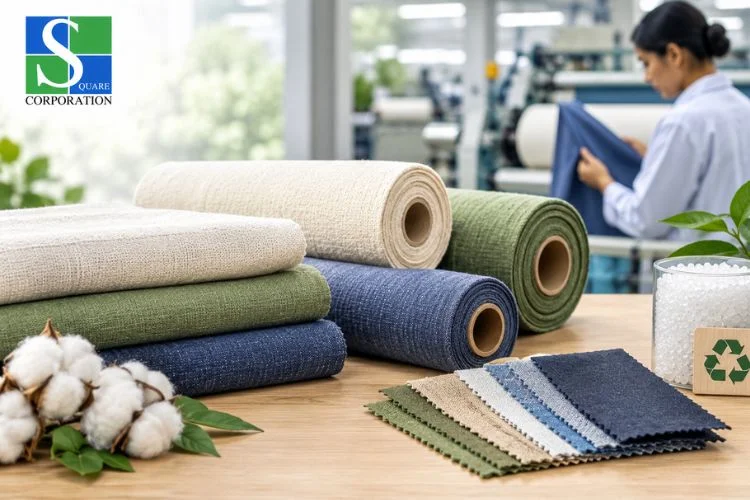
Finding affordable sustainable fabrics is not simply about choosing an eco-friendly material at the lowest price. Businesses must balance fabric quality, end use, production requirements, certification, minimum order quantities and reliable delivery. For brands and manufacturers comparing Sustainable Fabric Suppliers India, a clear sourcing process can help control costs without compromising product expectations.
India offers a broad textile sourcing base, including cotton fabrics, organic options, recycled polyester, woven fabrics, knitted materials and blends. The right supplier is one that can match the required material and performance with transparent documentation and commercially workable terms.
Also Read: How to Reduce Fabric Wastage in Cotton Garment Manufacturing
What Makes a Fabric Sustainable?
Sustainable fabric selection considers more than the fibre name. Buyers should assess how the raw material is sourced, how the fabric is processed, how long the finished product is expected to last, and whether environmental or social claims can be substantiated.
- Organic cotton: A possible choice for apparel and selected home textiles when organic sourcing and applicable processing requirements matter.
- Recycled polyester: Useful for products requiring synthetic-fibre performance. Confirm the recycled content, source material and traceability.
- Conventional cotton and blends: May fit particular budgets and performance requirements. Evaluate their sourcing and processing information rather than assuming every blend has the same impact.
- Other natural or regenerated fibres: Linen and cellulosic fibres may suit particular products, but suitability depends on origin, production route, construction and intended use.
No material is automatically the best option for every application. A suitable fabric should meet the product's durability, comfort, appearance, care and end-of-life requirements.
How to Evaluate Sustainable Fabric Suppliers in India
1. Match the Material to the Application
Before requesting a quotation, specify the end product, fibre composition, fabric construction, weight, width, colour, finish and required performance. A fabric intended for everyday clothing may need different characteristics from one used for upholstery or other home textiles. Precise specifications make supplier quotations easier to compare.
2. Verify Certifications and Sustainability Claims
Ask for current certificates, their validity dates, the covered manufacturing or processing activities, and evidence applicable to the specific material or order. The Global Organic Textile Standard (GOTS) provides requirements for certified organic textiles and their processing. Textile Exchange's GRS and RCS standards address recycled-content verification and chain of custody, with additional processing requirements under GRS.
A supplier's certification alone does not automatically establish that every product it sells is certified. Check the relevant certificate scope, transaction documentation and product claims before using certification language in marketing or on labels.
3. Compare Quality Before Committing to Bulk Orders
Request swatches or development samples and assess them against agreed requirements. Depending on the intended application, checks may include fibre composition, fabric weight, shrinkage, colourfastness, strength, surface appearance and finishing consistency. Agree on tolerances and quality-acceptance criteria before bulk production.
A sample that looks correct but fails after washing or processing can create more expense than a modest difference in the original quoted price. Approving the physical sample and keeping a documented reference can reduce avoidable disputes.
How Can Buyers Source Affordable Sustainable Fabrics?
The most useful comparison is the total cost of obtaining fabric that meets the specification, not just the price per metre or kilogram.
- Compare equivalent specifications: Make sure fibre composition, weight, width, finish and colour requirements match across quotations.
- Understand minimum order quantities: Ask whether the quotation changes with order volume, colour count or custom development.
- Calculate usable material: Consider expected cutting waste, quality rejection, shrinkage and any additional processing required.
- Confirm extra costs: Include sampling, testing, certification documentation, packaging, freight and applicable duties where relevant.
- Plan repeat orders: Confirm lead times, colour consistency, production capacity and the process for approving future batches.
There is no single price that defines an affordable sustainable fabric. Material availability, specifications, certifications, order size and production requirements all affect the final quotation. Ask shortlisted suppliers to quote against the same written specification so that differences are commercially meaningful.
Questions to Ask Before Choosing a Supplier
Use this checklist when evaluating a potential textile partner:
- Can you supply the required composition, construction, weight and finish consistently?
- What documentation supports the organic or recycled-content claims?
- Which production facilities and processing stages are covered by the relevant certificates?
- Can you provide samples and agree on quality tolerances before bulk production?
- What are the MOQ, production lead time, payment terms and delivery costs?
- How are quality issues, delayed shipments and repeat-order specifications handled?
For businesses planning fabric production, reviewing the yarn supply chain may also be useful. Explore Yarn Suppliers in India when yarn sourcing, fibre composition or custom fabric development forms part of the procurement decision.
Why Work with an Established Textile Sourcing Partner?
A suitable sourcing partner should understand product specifications, material alternatives, quality expectations and delivery coordination. Square Corporation's published fabric range includes woven, knitted and denim fabrics, alongside fabric sourcing and product development capabilities. The appropriate material and terms should still be confirmed against each buyer's brief.
India's textile industry is also receiving policy attention around recycling and circularity. The Ministry of Textiles described the Tex-Eco Initiative and related efforts to support textile waste management and recycled materials in August 2026. This is useful industry context, but buyers should continue to verify each supplier's actual capabilities and supporting documentation.
Frequently Asked Questions
Are sustainable fabrics always more expensive?
No. Prices vary by fibre, construction, certification, finish, quantity and availability. Compare total usable cost and performance rather than assuming a universal price premium.
How can I verify a sustainable fabric supplier?
Request current certification documents, verify their scope and validity, check product or transaction-level evidence where applicable, and approve samples against written specifications.
Which sustainable fabric should my business choose?
Start with the intended product, performance requirements, budget and claims you need to substantiate. Then compare suitable materials and supplier evidence instead of choosing by fibre name alone.
Find the Right Fabric for Your Business
Affordable sustainable sourcing starts with clear specifications, comparable quotations and credible documentation. By evaluating material suitability, quality, certification scope, order quantities and total delivered cost together, buyers can make more confident procurement decisions.
Visit Square Corporation's fabric sourcing page to explore available fabric categories and discuss requirements for your next textile order.
Also Read: Benefits of Choosing Sustainable Fabric Suppliers
Blog Development Credits:
This article was developed with creative input from Square Corporation, supported by AI-assisted research, drafting, and SEO refinement for improved online visibility.



Comments (0)
Leave a Comment