
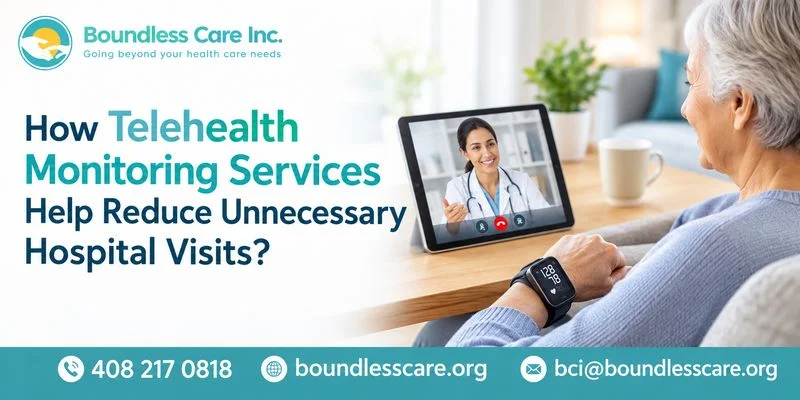
Telehealth monitoring services are changing how patients manage their health between medical appointments. By connecting patients with healthcare professionals through digital devices, virtual consultations, and remote health tracking, these services can help identify potential health concerns before they become more serious. For seniors and people living with chronic conditions, this approach can make healthcare more convenient while supporting safer living at home.
Boundless Care Inc. provides compassionate home care and support services, including telehealth, to help seniors maintain their independence and dignity. Through remote monitoring telehealth, patients and caregivers can stay connected with healthcare professionals and support timely decisions about ongoing care.
What Are Telehealth Monitoring Services?
Telehealth monitoring services allow healthcare professionals to assess and manage aspects of a patient's health without requiring every interaction to take place in a medical facility. Remote patient monitoring may use connected devices to collect and transmit information such as blood pressure, blood glucose, heart rate, oxygen levels, and body weight.
According to the U.S. Department of Health and Human Services, remote patient monitoring helps patients and providers share health information and manage conditions between visits. The information can help clinicians identify changes and determine whether a patient needs treatment adjustments, an appointment, or further assessment.
These services are particularly useful for older adults, people recovering after hospital discharge, and individuals managing long-term conditions.
How Telehealth Monitoring Services Help Reduce? Unnecessary Hospital Visits
1. Identifying Health Changes Earlier
One important benefit of remote monitoring is the ability to observe health trends over time. A single appointment provides only a limited picture of a patient's condition, while regular readings can help healthcare professionals recognize changes between visits.
For example, a patient with high blood pressure may record readings at home and share them with their care team. If the readings repeatedly fall outside the patient's agreed target range, the provider can review the information and recommend appropriate next steps.
Early intervention may prevent some manageable concerns from developing into more serious problems. However, monitoring is effective only when readings are reviewed and appropriate clinical action follows.
2. Supporting Better Management of Chronic Conditions
Chronic conditions such as diabetes, hypertension, and heart disease often require consistent monitoring and ongoing communication with healthcare professionals. Missing appointments or overlooking changes in symptoms can make these conditions more difficult to manage.
Telehealth monitoring can help patients share regular health readings without travelling to a clinic for every check. Healthcare professionals can use this information alongside symptoms, medical history, and other assessments to guide treatment decisions.
For older adults who find travelling difficult, this approach can make ongoing care more accessible. It may also help reduce hospital visits related to certain complications when concerns are recognized and addressed promptly.
3. Improving Follow-Up After Hospital Discharge
The period following hospital discharge can be challenging, especially for seniors who need help with medications, mobility, or managing an ongoing condition. Without suitable follow-up, warning signs may go unnoticed.
Telehealth consultations and remote monitoring can help healthcare teams check recovery progress, discuss symptoms, review readings, and reinforce discharge instructions. If a concern emerges, the team can determine whether the patient needs an in-person appointment or more urgent care.
The U.S. Department of Health and Human Services highlights telehealth follow-up as one way to identify potential problems after an emergency department visit and help prevent avoidable returns.
4. Reducing Unnecessary Travel for Seniors
Frequent medical appointments can be tiring for older adults, particularly those with mobility limitations or limited access to transportation. Family caregivers may also need to take time away from work to accompany them.
Telehealth monitoring services allow some routine follow-ups and health reviews to happen remotely. This can save travel time, reduce logistical stress, and make communication with healthcare professionals more convenient.
Through senior home care, Boundless Care Inc. supports older adults with services designed to help them live safely and independently at home. Telehealth can complement appropriate in-person support, depending on each person's needs.
5. Helping Caregivers Recognize When Support Is Needed
Family members and caregivers often play an important role in supporting older adults. However, it can be difficult to recognize whether a change in someone's health requires routine follow-up or immediate medical attention.
When incorporated into an appropriate care plan, telehealth monitoring can provide useful information that supports communication between patients, caregivers, and healthcare professionals.
For example, a change in weight, blood pressure, or blood glucose may prompt a care team to ask additional questions and assess the situation. Caregivers can also help patients use monitoring devices correctly and report new symptoms.
For further support with daily activities and safe movement, read Senior Mobility Support at Home: Building Confidence and Stability.
Which Conditions Can Benefit From Remote? Monitoring?
Remote monitoring may support care for several conditions when recommended by a qualified healthcare professional.
Common examples include:
-
High blood pressure: Home blood pressure readings can help providers evaluate trends and review treatment.
-
Diabetes: Blood glucose measurements can support diabetes management and help identify readings that require attention.
-
Heart conditions: Weight, heart rate, and other relevant measurements may help clinicians monitor selected patients.
-
Respiratory conditions: Oxygen saturation and breathing-related measurements may support care when clinically appropriate.
-
Post-surgical recovery: Remote check-ins can help healthcare teams review recovery and identify concerns that require assessment.
The appropriate devices, measurement frequency, and response plan depend on the individual's condition and medical advice.
Best Practices for Effective Telehealth Monitoring
Telehealth monitoring works best when technology is supported by a clear care plan and reliable communication. Patients and caregivers should consider the following practices:
-
Use suitable devices: Follow the healthcare provider's recommendations about equipment and measurement methods.
-
Learn the correct procedure: Incorrect device use can produce misleading readings.
-
Follow a regular schedule: Record measurements at the times recommended by the care team.
-
Understand warning signs: Know which readings or symptoms require a phone call, an appointment, or urgent medical attention.
-
Maintain communication: Ensure the healthcare team explains how readings are reviewed and how patients will be contacted.
-
Protect personal information: Use secure systems and understand how health information is collected and shared.
The U.S. Centers for Medicare & Medicaid Services also emphasizes that remote patient monitoring involves appropriate device setup, patient education, data transmission, and clinical management—not simply collecting measurements.
Limitations of Telehealth Monitoring Services
Although telehealth can improve access to care, it cannot replace every medical appointment or emergency assessment. Some conditions require a physical examination, laboratory testing, imaging, or treatment that cannot be provided remotely.
Monitoring systems may also be affected by poor internet connectivity, inaccurate readings, device problems, or missed measurements. In addition, patients need to understand whether their healthcare team reviews information continuously or only at scheduled times.
Important: Telehealth monitoring should never delay emergency care. Severe chest pain, serious breathing difficulties, signs of stroke, or other potentially life-threatening symptoms require immediate emergency assistance. Patients should follow their clinician's instructions for urgent symptoms and abnormal readings.
How Boundless Care Inc. Supports Senior Care at Home?
Boundless Care Inc. focuses on helping seniors live safely, comfortably, and independently through compassionate home care and support services. Its services include daily assistance, companionship, transportation, and telehealth support.
When appropriate to an individual's care plan, telehealth can complement these services by helping patients stay connected with healthcare professionals between appointments. Caregivers can also assist with daily routines and help seniors communicate concerns to their care team.
Families exploring telehealth and remote patient monitoring can learn more about how connected care may support their loved one's needs.
The goal is not to avoid every hospital visit. It is to help patients receive the right care at the right time, whether that means monitoring at home, scheduling an appointment, or seeking urgent medical attention.
Frequently Asked Questions (FAQs)
1. How do telehealth monitoring services reduce hospital visits?
They help healthcare professionals review health readings and identify potential concerns between appointments. Timely follow-up may allow some problems to be addressed before they require hospital care.
2. Who can benefit from telehealth monitoring services?
Older adults, people managing chronic conditions, patients recovering after hospital discharge, and individuals who have difficulty travelling may benefit when remote monitoring is clinically appropriate.
3. What devices are used for remote patient monitoring?
Common devices include blood pressure monitors, digital scales, blood glucose meters, heart rate monitors, and pulse oximeters. The appropriate equipment depends on the patient's health needs.
4. Can telehealth monitoring replace hospital visits?
No. It can reduce the need for some routine in-person visits, but it cannot replace emergency treatment, necessary examinations, or hospital care when these are required.
5. Is telehealth monitoring useful for seniors living alone?
It may help seniors share health information with their care team and maintain contact between appointments. However, it does not replace emergency response systems, personal care, or in-person assistance when needed.
6. How can families get started with telehealth monitoring?
Families should discuss the patient's needs with a qualified healthcare professional, confirm which devices are suitable, understand potential costs, and establish a clear plan for reviewing readings and responding to concerns.
FINAL THOUGHTS
Telehealth monitoring services can make healthcare more accessible by helping patients and providers stay connected between appointments. Through regular health measurements, timely follow-up, and better communication, remote monitoring may help prevent some avoidable hospital visits while supporting chronic disease management and recovery at home.
For seniors, the greatest value comes from combining appropriate technology with compassionate human support and professional medical guidance. Boundless Care Inc. is committed to helping seniors maintain independence, dignity, and well-being through home care and telehealth support.
Explore Boundless Care Inc. to learn more about home care and telehealth options that may support your family's needs.


Comments (0)
Leave a Comment