
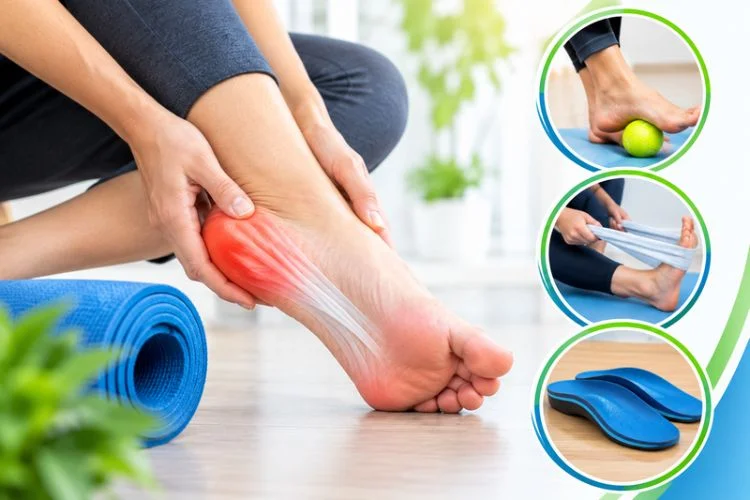
Heel pain can make everyday activities such as walking, standing, exercising, and getting out of bed uncomfortable. One possible cause is plantar fasciitis, a condition affecting the thick band of tissue called the plantar fascia that connects the heel bone to the toes and supports the foot arch. Gentle plantar fasciitis exercises, suitable footwear, and adjustments to daily activities can help manage symptoms and improve mobility.
If heel pain persists or interferes with your routine, professional assessment can help identify its cause and guide appropriate treatment for plantar fasciitis. Not every type of heel pain is caused by this condition, so an accurate assessment matters before starting an intensive exercise routine.
What Is Plantar Fasciitis?
Plantar fasciitis commonly causes pain around the bottom of the heel and foot arch. Discomfort is often strongest during the first few steps in the morning or after sitting for a long time. It may ease as you begin moving, then return after prolonged standing, walking, or running.
Factors such as tight calf muscles, sudden increases in physical activity, prolonged standing, and poorly supportive footwear may contribute to symptoms. The condition can affect active people as well as those whose jobs require them to spend many hours on their feet.
Effective Plantar Fasciitis Exercises for Daily Relief
Stretching and strengthening exercises are commonly included in conservative plantar fasciitis care. Start gently, use controlled movements, and avoid forcing a stretch through sharp pain. A physiotherapist or foot-care professional can help adapt the exercises to your symptoms.
1. Plantar Fascia Stretch
Sit on a chair and place the affected foot across your opposite knee. Hold your toes and gently pull them back towards your shin until you feel a stretch along the arch of your foot. Hold for around 15–30 seconds, then relax. Repeat a few times if comfortable.
This stretch can be particularly useful before taking your first steps in the morning or after a period of sitting. Keep the movement gentle rather than pulling the toes forcefully.
2. Calf Stretch Against a Wall
Stand facing a wall with both hands resting against it. Step one foot back, keep its heel on the floor, and bend your front knee. Keep the back knee straight to stretch the upper calf. Hold for 15–30 seconds, then switch sides.
For a slightly different stretch targeting the deeper calf muscle, repeat with the back knee gently bent while keeping the heel down. Stop if the movement causes sharp heel or ankle pain.
3. Towel-Assisted Foot Stretch
Sit with your leg extended in front of you. Loop a towel around the ball of your foot and gently pull the towel towards your body while keeping your knee straight. Hold for 15–30 seconds and release slowly. This can help stretch the calf and tissues around the foot without requiring you to stand.
4. Gentle Towel Scrunches
Sit on a chair with your foot resting on a small towel placed on the floor. Use your toes to draw the towel towards you, then release it. Perform a few controlled repetitions without gripping forcefully. This exercise works the small muscles of the foot, which contribute to foot function.
5. Gradual Foot and Ankle Strengthening
Once your symptoms allow, a clinician may recommend progressive exercises for the foot and ankle muscles, including controlled heel raises or resistance exercises. Strengthening can complement stretching, but the appropriate exercise and intensity depend on your pain, mobility, and current activity level.
Daily Foot Care Tips to Reduce Heel Discomfort
Choose Supportive Footwear
Wear comfortable shoes with cushioning and appropriate arch support. Avoid worn-out footwear, high heels, tight shoes, and thin flip-flops if they aggravate your symptoms. Try not to walk barefoot on hard floors when your heel is painful.
Modify Activities Instead of Stopping All Movement
Reduce activities that consistently worsen your pain, particularly long periods of standing, running, or walking on hard surfaces. Low-impact options, such as swimming, may help you remain active while placing less pressure on the heel. Increase activity gradually as symptoms improve.
Use Cold Therapy Carefully
Applying a cold pack wrapped in a towel to the painful area for up to 15–20 minutes may help ease discomfort. Never place ice directly against your skin. Stop if the skin becomes unusually painful, numb, or irritated.
Build a Consistent Routine
Short, regular exercise sessions may be easier to maintain than occasional intensive stretching. You could perform gentle foot and calf stretches before getting out of bed and repeat suitable exercises later in the day. Adjust the routine if symptoms worsen, and seek professional advice if you are unsure which movements are appropriate.
When Should You Seek Professional Treatment?
Home exercises may help, but they are not a substitute for an assessment when pain is severe, persistent, worsening, or repeatedly returning. Seek medical advice if heel pain limits normal activities, has not improved after around two weeks of self-care, or is accompanied by tingling or reduced sensation. People with diabetes should seek prompt professional advice about foot pain because foot problems can require particular care.
A clinician can assess your symptoms, foot mechanics, footwear, and activity levels. Depending on the findings, care may include guided exercises, activity modification, footwear advice, physiotherapy, or suitable insoles. Orthoses are generally considered alongside other treatments rather than as a standalone solution for everyone.
For readers in West Bengal, best plantar fasciitis treatment in Kolkata provides a relevant starting point for learning about assessment and available care options. CuraFoot offers foot-care services that include clinical assessment, footwear guidance, physiotherapy, and insoles where appropriate.
You can also read The Beginner’s Guide to Managing Plantar Fasciitis: Tips for Quick Recovery for further information on managing symptoms and supporting recovery.
Common Mistakes to Avoid
- Stretching aggressively: Pulling the toes or calf too forcefully can aggravate symptoms.
- Ignoring footwear: Unsupportive shoes may continue to place stress on the foot.
- Increasing exercise too quickly: Sudden increases in walking, running, or standing can worsen discomfort.
- Relying on one treatment alone: Recovery may require a combination of exercises, activity changes, and professional guidance.
- Assuming all heel pain is plantar fasciitis: Other conditions can cause similar symptoms and may need different care.
Frequently Asked Questions
1. Which exercises are best for plantar fasciitis?
Plantar fascia-specific stretching and calf stretching are commonly recommended. Progressive foot and ankle strengthening may also help. The most suitable routine depends on your symptoms and should be adapted if exercise increases pain.
2. Can I do plantar fasciitis exercises every day?
Gentle stretching is often included in daily routines, but frequency and intensity should suit your condition. Follow a clinician’s guidance if you have severe pain, other medical conditions, or symptoms that worsen with exercise.
3. Why is heel pain worse in the morning?
The plantar fascia may become less flexible during periods of rest, making the first steps after sleep or sitting uncomfortable. Gentle stretching before standing may help some people manage this discomfort.
4. Do insoles help with plantar fasciitis?
Supportive insoles may help reduce pressure and improve comfort for some people, particularly when used alongside stretching and other recommended treatments. The right option depends on your foot structure, symptoms, and footwear.
5. When should I see a foot specialist in Kolkata?
Consider professional assessment if pain is severe, affects daily activities, keeps returning, or does not improve with self-care. Seek prompt advice if you have diabetes and foot pain, or if you experience tingling or loss of sensation.
FINAL THOUGHTS
Managing plantar fasciitis involves more than stretching the painful area. Gentle plantar fascia and calf exercises, supportive footwear, sensible activity adjustments, and consistent foot care can help improve comfort and everyday mobility. Progress may take time, so avoid forcing movements or expecting immediate results. If heel pain persists or affects your routine, consult a qualified foot-care professional for an accurate assessment and personalised treatment advice. CuraFoot can help patients explore appropriate foot-care and mobility support in Kolkata.



Comments (0)
Leave a Comment